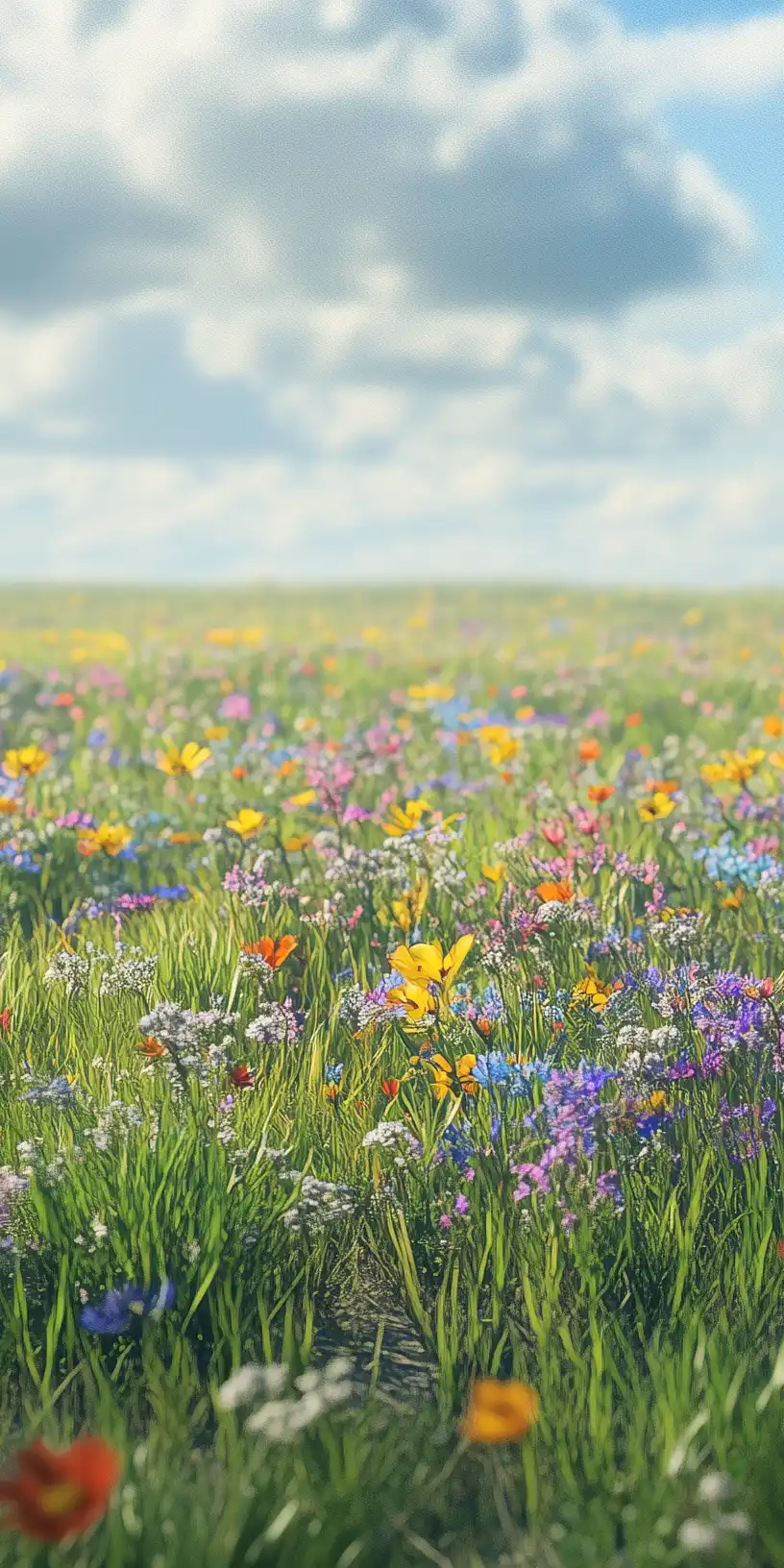
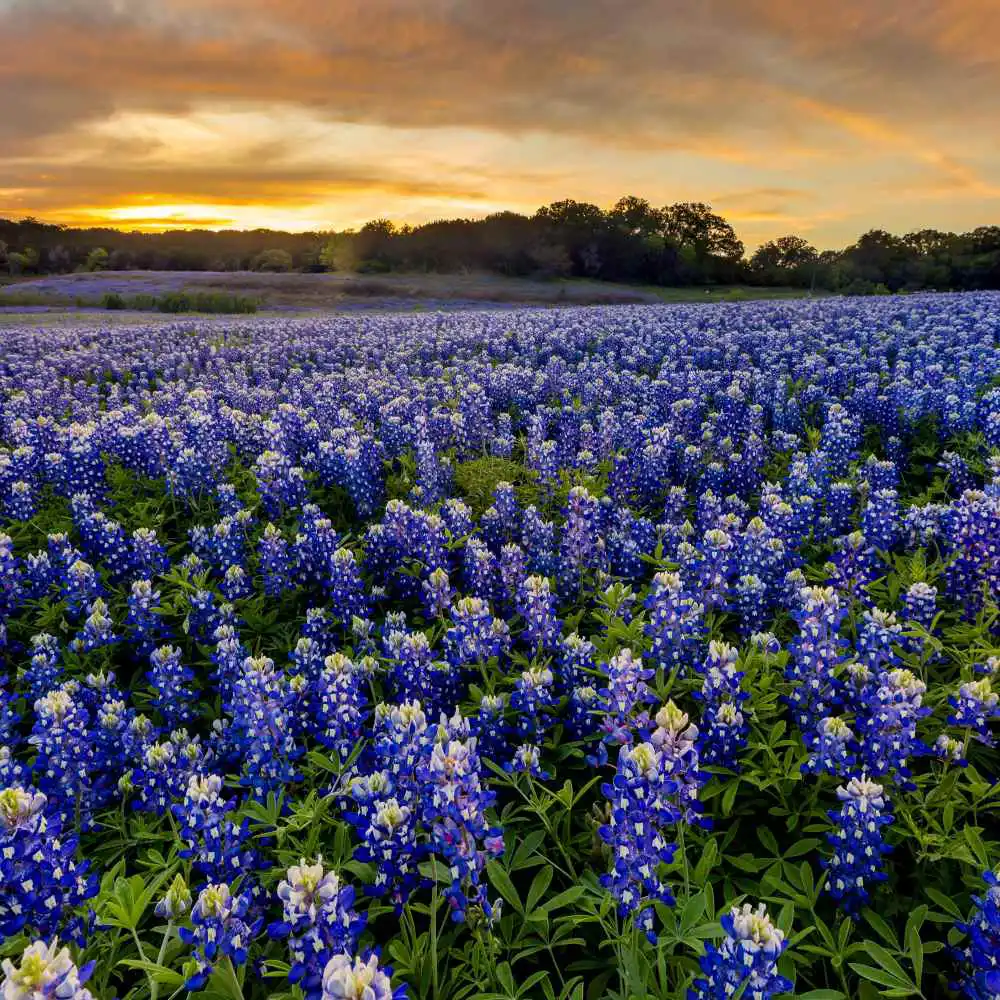
Bluebonnet
Lupinus Texensis
- Annual
- Mar-May
- 6-20"
- Full Sun
Growing notes
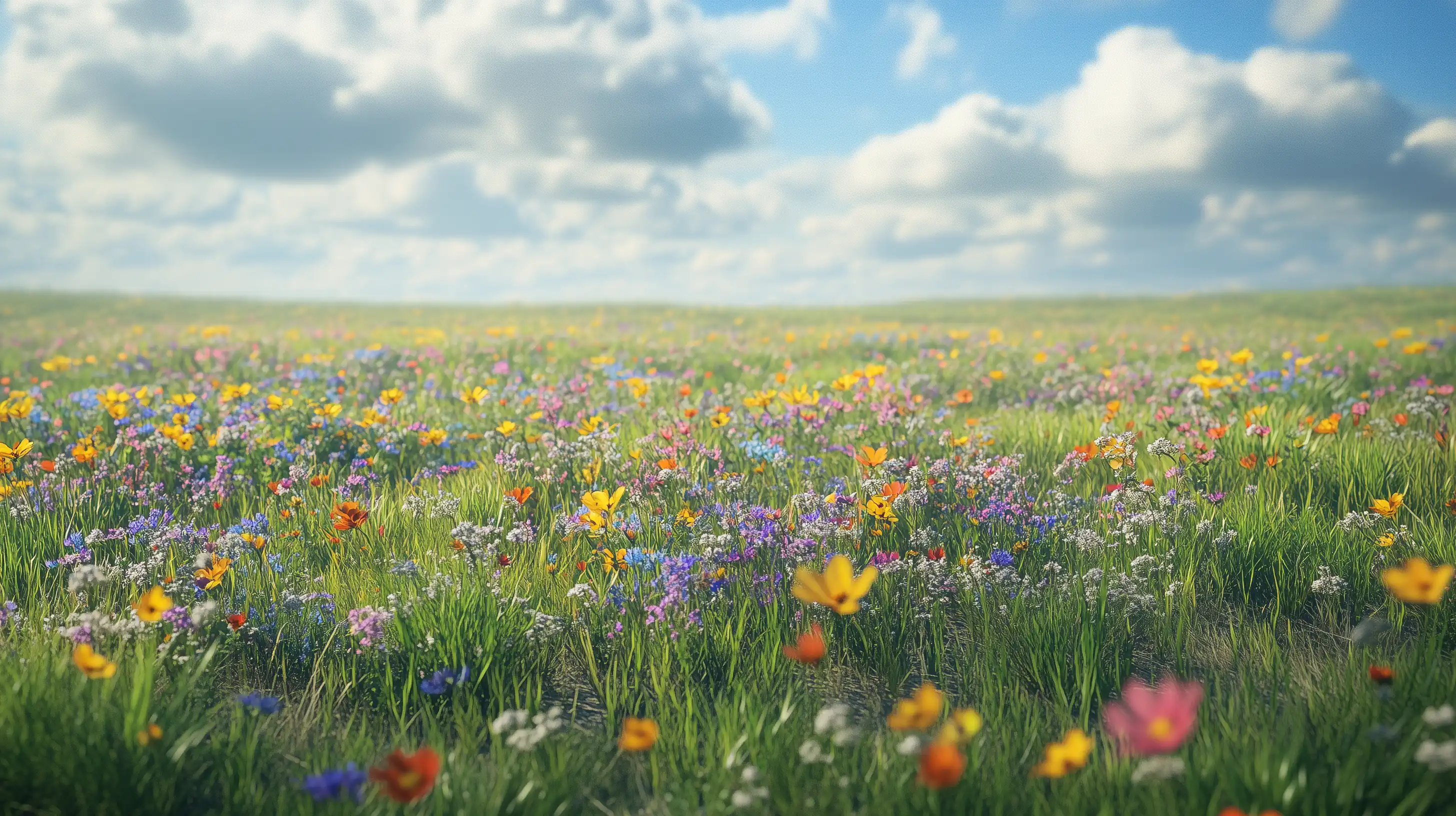
This familiar and much-loved annual grows from a height of six inches to about a foot and a half tall, depending on soil conditions and climate. It is among the first prairie wildflowers to appear in the spring. The state flower of Texas! Prefers hillsides and well drained areas. Bluebonnets are thought to have originated on the granitic soils of the Llano Uplift.
Because Texas Bluebonnet is an annual plant, next year's crop will only grow from previous years' seeds. Allow your wildflowers to fully mature and ripen their seeds before mowing.
- Life Cycle
- Annual
- Bloom Time
- Mar-May
- Height
- 6-20"
- Sunlight
- Full Sun
- Soil Type
- Sand, Loam, Clay, or Caliche
- Soil Moisture
- Dry to Medium
Planting Instructions
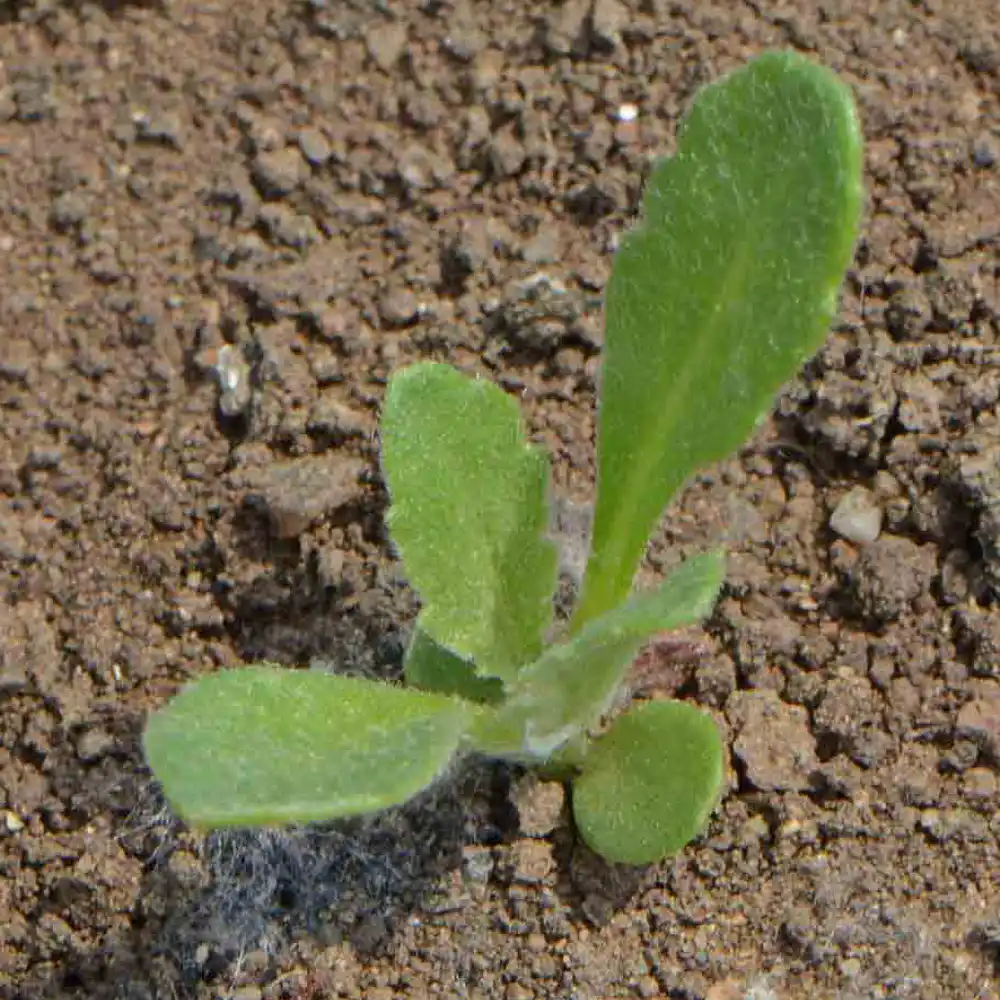
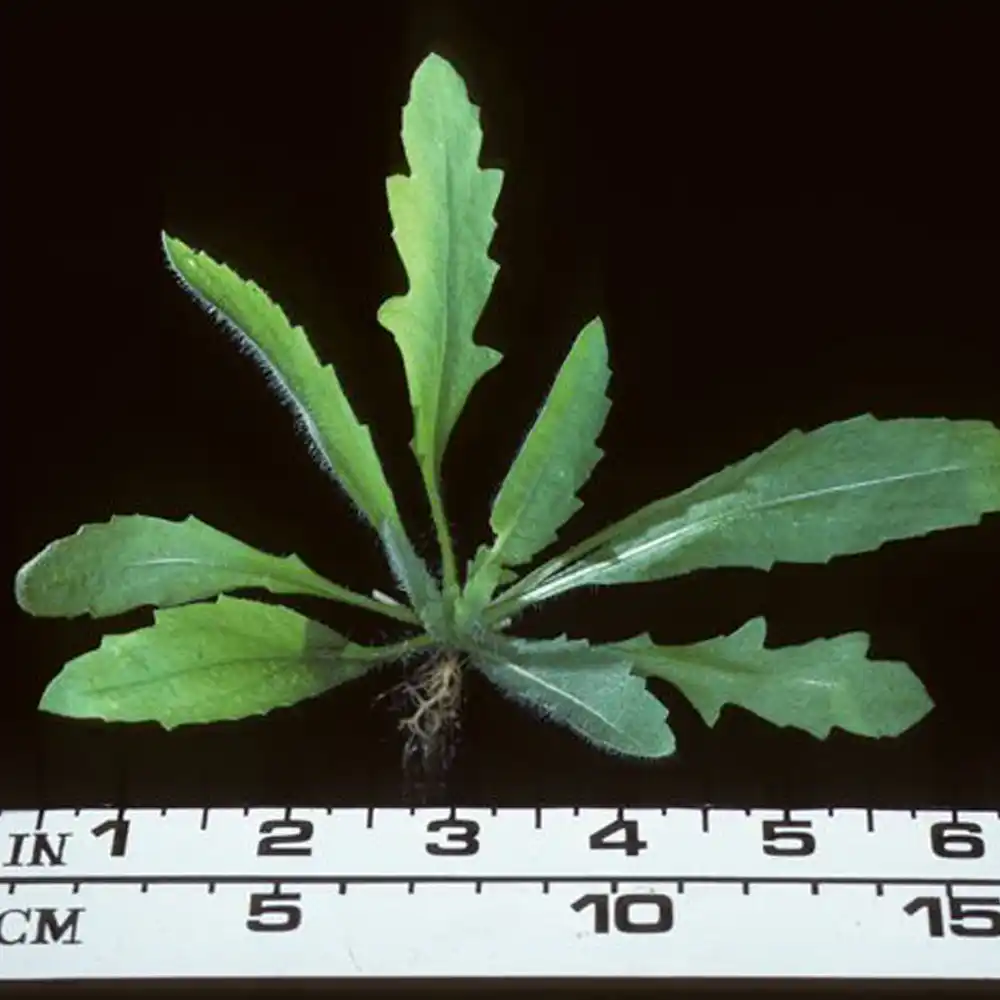
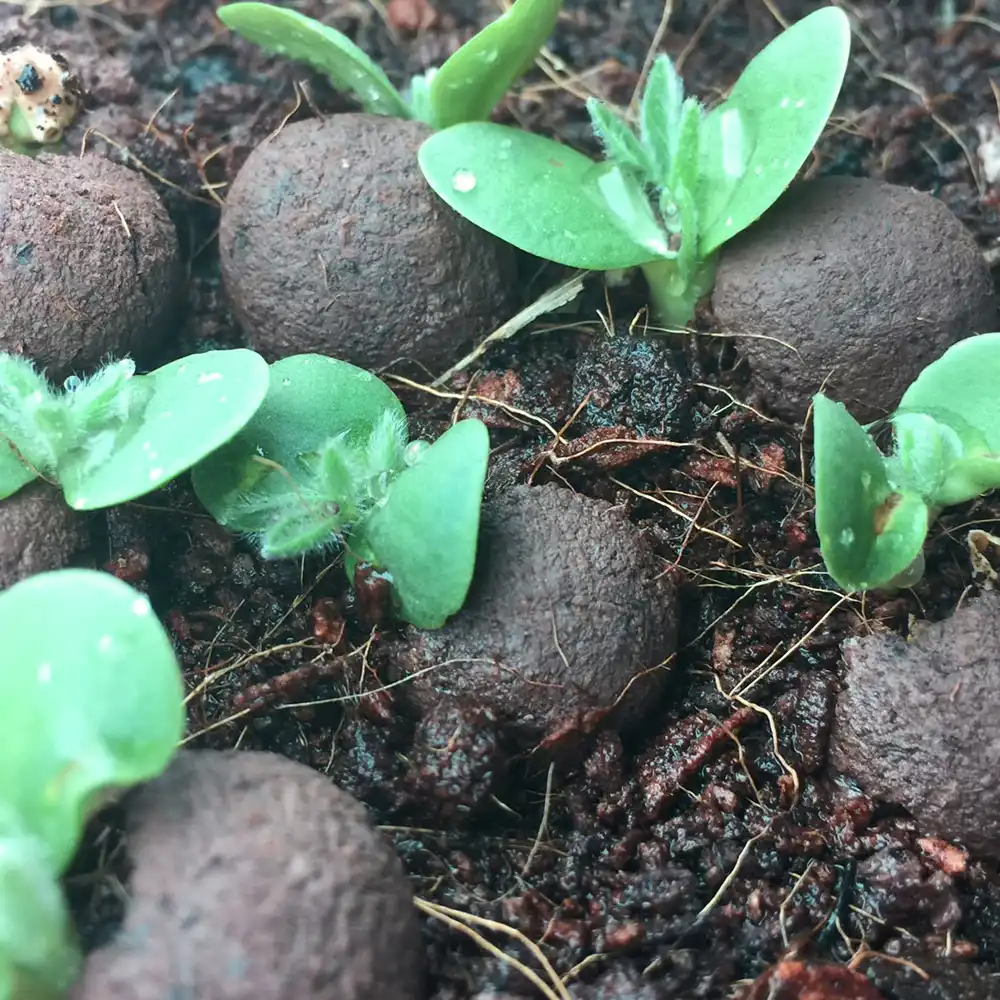
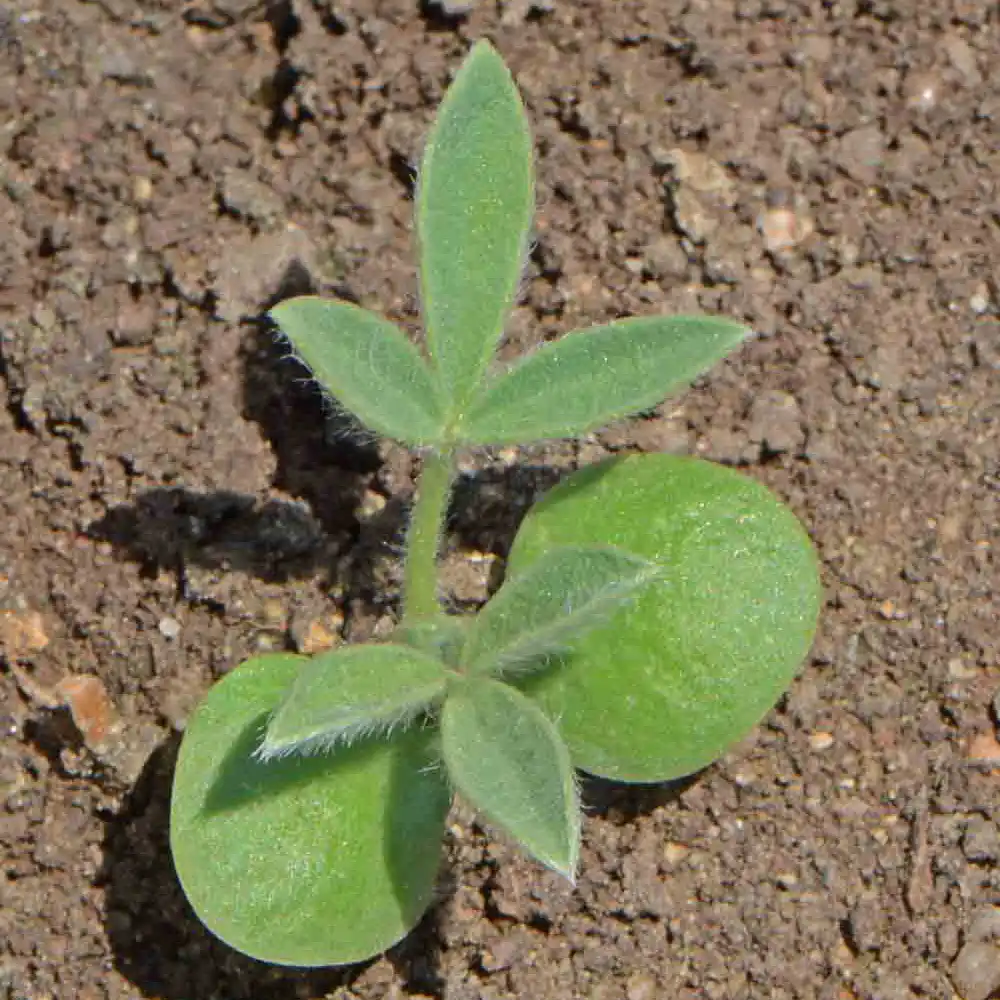
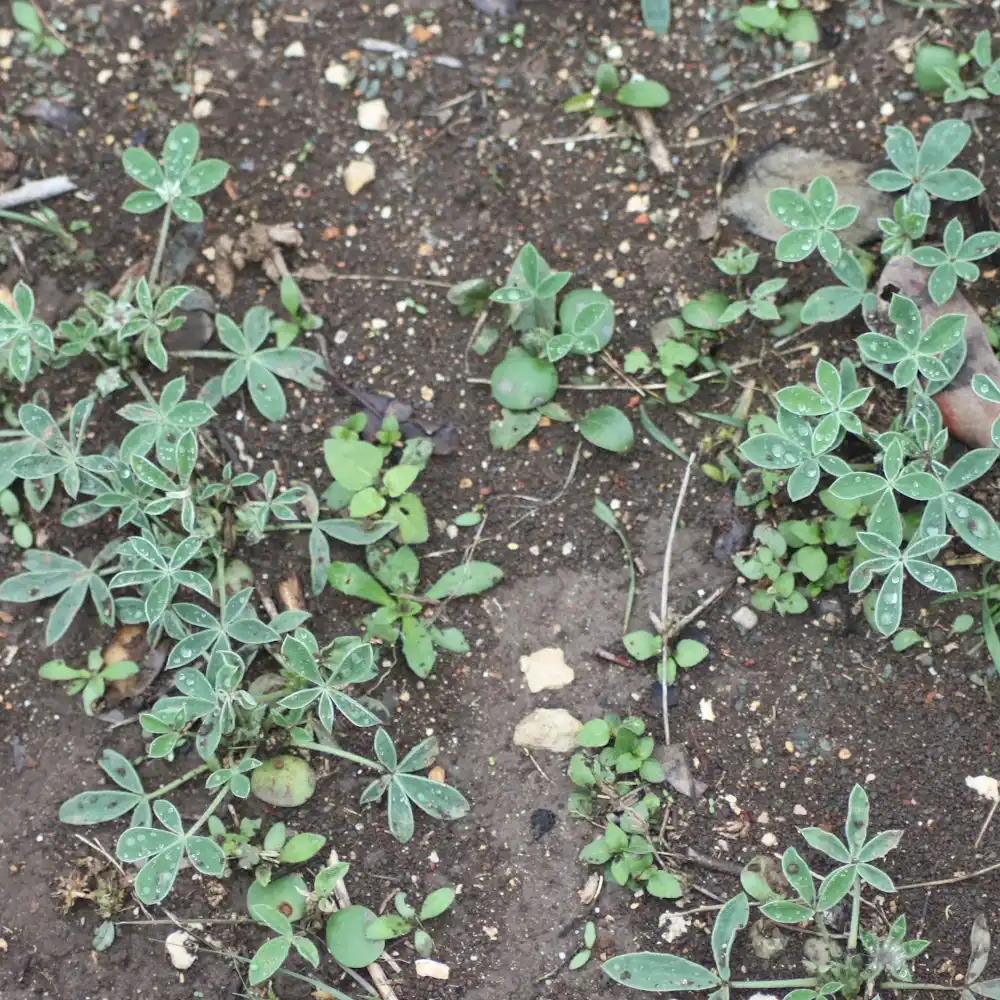
Plant in fall, from September through mid-November, on bare, well-drained soil in full sun. Press seed balls onto the ground so they touch the soil, and do not bury them. Water gently after planting, then lightly every few days for about three weeks if it does not rain. Plants sprout in the fall, stay low and green through winter, and bloom in spring. The seed coat is hard, so some seed may wait until the following year.
Saving Seeds
Leave plants standing after the flowers fade so the pods can ripen. Pods turn from green to yellow, then brown, and they split open when the seed is ready. Pick brown pods before they pop. Dry them for a day or two, shell out the hard tan seeds, and store them labeled in a cool, dry place. Seed sprouts best within a year or two. Leave some pods on the plants so the patch can reseed.